
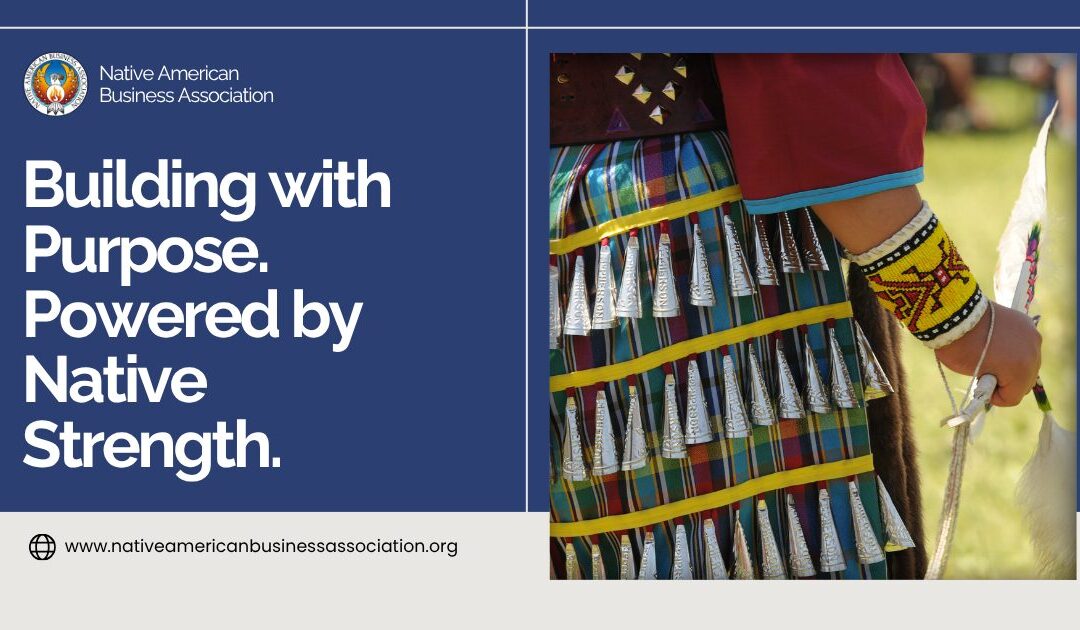
When Amanda Smith launched her own business in North Texas, she did what many entrepreneurs do—she attended every networking event, met with procurement officers, and tried to navigate the complex world of contracts and supplier diversity.
But as she connected with local organizations, it became painfully clear: Although more than 30 minority chambers served the Dallas–Fort Worth area, none were advocating for the Native community.
That realization became the spark for the Native American Business Association (NABA). What started as a local initiative among a few Native American entrepreneurs, and entities like the city of Dallas and Parkland Hospital, quickly evolved into a national and global movement. Today, NABA serves indigenous-owned businesses across the United States, with growing membership and support in Canada and Australia.
NABA’s mission is built on three pillars: advocate, educate, and collaborate. This means not only connecting Native business owners with buyers and contracts but also offering the tools and training they need to succeed—mentorship, educational workshops, matchmaking events, and policy advocacy.
For Amanda, this mission is personal. As the daughter of a Veteran, she knows firsthand the strength and sacrifice that comes with military service. NABA is proud to support Native American Veterans and military-connected entrepreneurs—with a strong focus on Veteran-owned enterprises.
“Native Americans represent the largest minority group among Veterans, and many of our NABA members are Veterans themselves, have Veteran spouses, or come from families with strong military ties,” Smith said. “Just like our Native-owned businesses, Veteran-owned businesses are often overlooked or forgotten, even though their sacrifices have secured the freedoms and opportunities we enjoy today.”
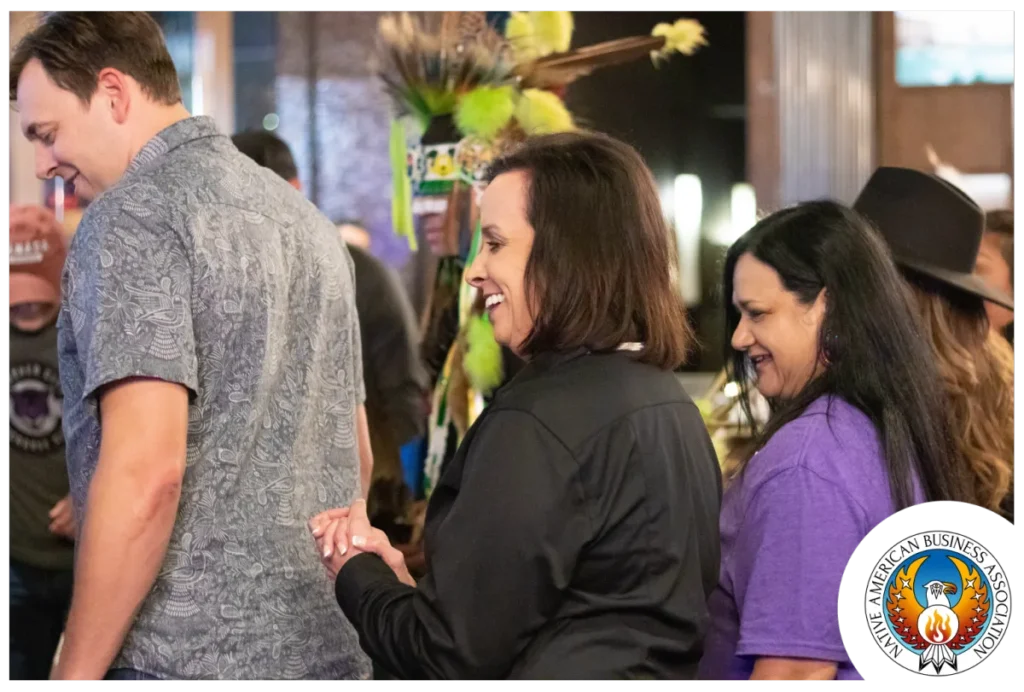
To better serve this community, NABA is launching a dedicated Veteran Division and Committee focused on empowering Native American Veteran entrepreneurs. This new initiative will lead targeted outreach and form strategic partnerships to help Veteran-owned businesses get certified, gain visibility in supplier diversity programs, and access meaningful contracting opportunities. Members will benefit from customized educational workshops, mentorship from experienced entrepreneurs, and direct introductions to corporate and government procurement professionals. Through continued advocacy for equitable inclusion in socioeconomic spending and use of NABA’s growing matchmaking database, the committee aims to connect businesses with buyers actively seeking diverse suppliers.
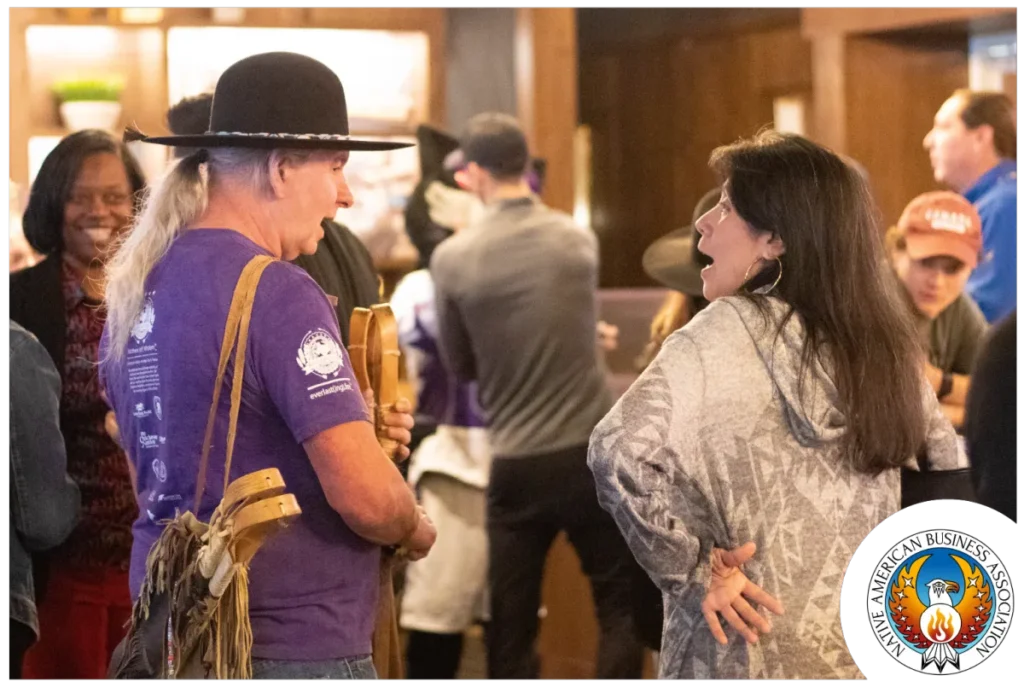
Also watch for two upcoming events from NABA: the Reservation Economics Summit (Sept. 24–25) and How to Do Business with Parkland Health (virtual, Sept. 30). These events bring together corporate buyers, procurement leaders, and Indigenous entrepreneurs for workshops, panels, and direct networking, creating a powerful platform for visibility and growth.
“Lasting change isn’t created by one individual, one business, or a single organization,” Smith said. “It comes from the collective strength of all of us. By working together, we can make a long-lasting and collective impact.”
To learn more about NABA’s mission, upcoming events, or how to get involved, visit nativeamericanbusinessassociation.org
