
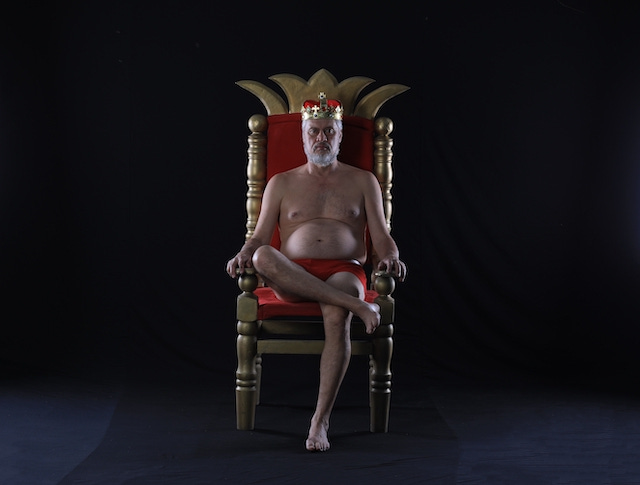
What Happens After a Leader Makes a Decision?
What happens after a leader decides? What does he or she feel, think, and do? I’ve been in this place of nakedness and dissonance before. It’s scary, but the alternative is not to decide, and that is rarely an option. Moreover, indecision can be unproductive, even disastrous.
The nakedness and isolation happen immediately following a decision where those people and teams who will execute it spring into action. The leader is left with their thoughts and reservations, left wondering if they made the right decision, if they have set their people and organization up for success, or doomed them to failure.
In the psychology field, there is such a phenomenon as post-decision dissonance. Fiveable, a social learning platform, defines post-decision dissonance as:
“The psychological discomfort that occurs after making a choice between two or more options, particularly when the decision involves significant trade-offs.”
“Significant trade-offs” being the key phrase, this dissonance is greater the more that is at stake. Throughout my military career and now as a leader of a small business, I’m left alone in my nakedness, wondering if my decisions are sound.
I’ve managed to find some clothing.
Minimize the Dissonance
To minimize post-decision dissonance, I do the work upfront to make a more informed decision. I’ve sought the counsel of superiors and subordinates alike to teach me, fill in my knowledge gaps, and inform my decisions. When the decision has big consequences, leaders ought to test their thinking on others before deciding. When time is not of the essence, leaders can and should make decisions; however, post-decision, they can seek counsel and make needed adjustments.
Seek Input Early and Often
I gathered all the input I had. I did some rational thinking in my head and bounced ideas off people to test my hypotheses. I sought discomfort, challenging my thoughts. Thinking, conversing, and debating were risk-free, and it could save the day against my own blindness or biases.
Armed with the best information and opinions I could gather, I’d make my decision and suffer less in the post-decision space.
Focus on Intent, Not Control
I focused more on intent—purpose, key tasks, and end state—than I did trying to spell things out for people. If my intent was met (however it was achieved), success could be achieved. Intent would prevent me from micromanaging, forcing less optimal decisions.
Here’s an example:…
