
“In times of crisis, it’s imperative that we turn not to emotions and erratic thought but to reason, principles, values, and training.” Colonel Rob Campbell
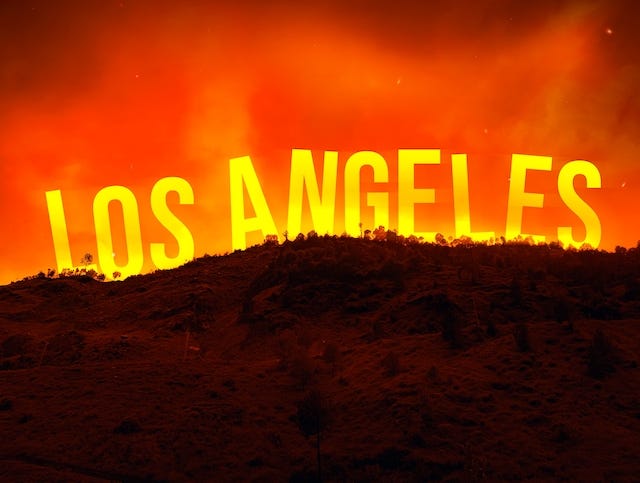
My thoughts and prayers go out to the people affected by the Greater Los Angeles wildfires. I’ve donated money to the Red Cross as a small way to help those in need. I do feel a sense of guilt writing this as if I’m taking advantage of this crisis to further my own cause of leadership. Winston Churchill once said, “never let a good crisis go to waste.” He meant that we, as leaders, ought to look for opportunities even in the darkest times. My opportunity here is to share lessons of leadership before, during, and after crisis captured in “Left and Right of The Boom,” my latest book. If leaders can get left and right of the boom, crises, such as hurricanes, floods, acts of terror, and wildfires can be avoided or mitigated. Indeed, no person can prepare for everything or predict the future. We do need to give ourselves a bit of a break. However, as leaders we ought to try harder. Our people and our communities deserve it.
As with every crisis these days, the news apparatus sprints to the political. Finger pointing follows quickly after death and destruction. Politics does indeed, have its place. It is our elected leaders after all, who make decisions which govern our lives and affect our wellbeing. Here I’ll turn from the political and seize my opportunity to focus, as I always do, on the lessons of leadership.
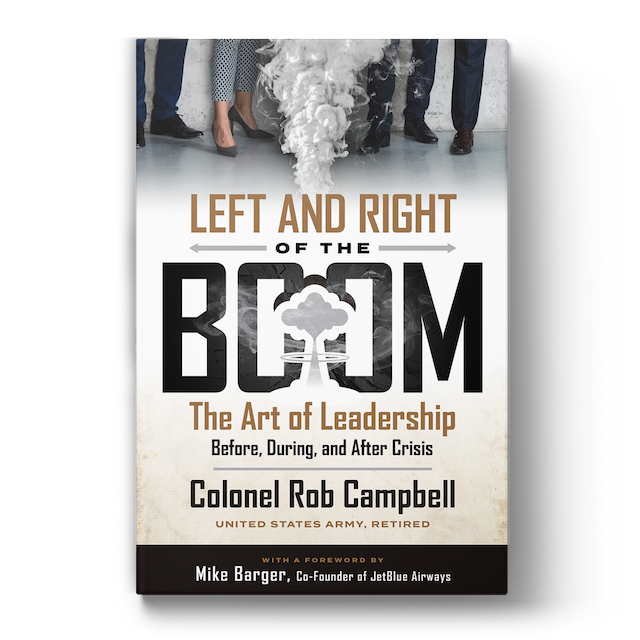
Before. It is a leader’s job to imagine the unimaginable. Could entire communities – homes, churches, shopping centers, etc. burn to the ground? Could someone hijack a plane and fly it into a building? Could this river swell to the height of this building? Hindsight is indeed, 20/20. Few people could imagine the nightmarish events of 9/11. What these crises teach us though, is to imagine and prepare. As I share in “Left and Right of the Boom,” Leaders must ‘see’ potential threats and risks through a before, during, and after lens. Left of the boom is where imagination comes in. With a group create stories of crisis which force you to think about ways to prevent and mitigate their effects. Return to history – real events which have a potential of being repeated. Pour a foundation of preparation in the left of the boom space. This includes obvious things such as warning signs, safety devices, and active measures like brush clearing and water management in Southern California’s case. It also means forming and fostering a culture of inclusion and teamwork which creates committed and engaged employees rallied behind a noble cause – the reason your organization exists. It is engaged employees who will rise to the occasion when things blow up or catch fire. See Chapter 3, “Establishing The Crisis Ready Foundation,” in my book for more…
